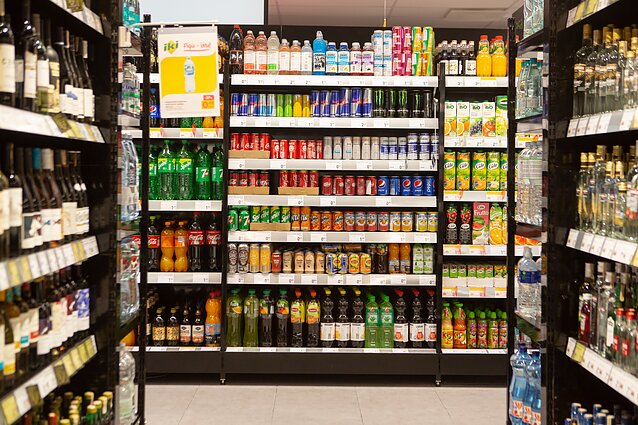












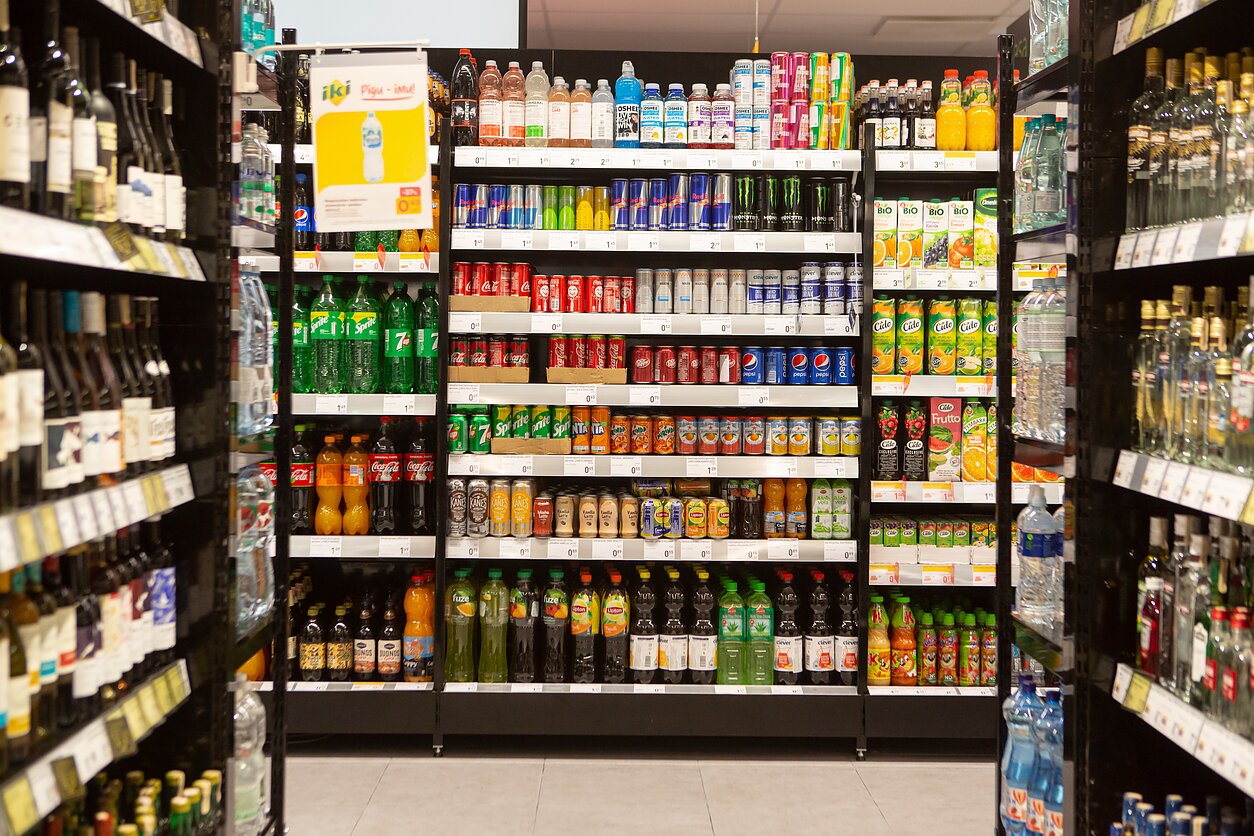
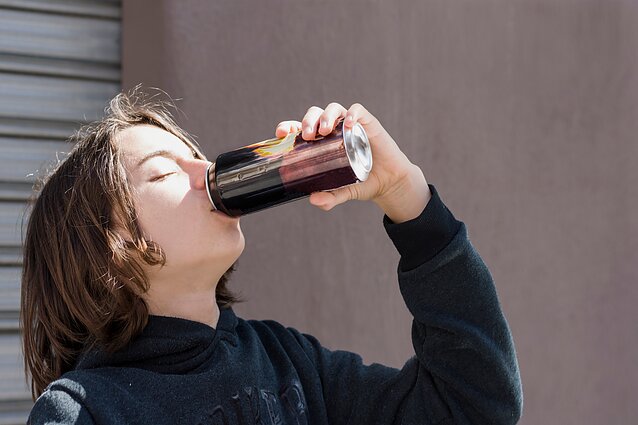
Lithuania's drinks producers are navigating a period of significant change, as younger consumers drink less alcohol and demand grows for alternatives such as kombucha, smoothies, vitamin-enriched drinks and energy drinks.
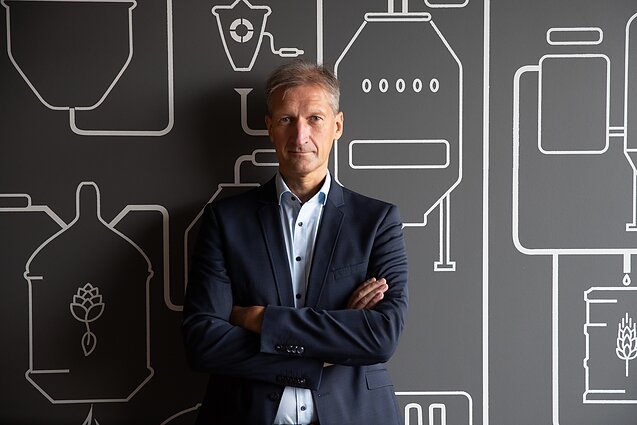
Algirdas Čiburys, chief executive of MV Group Production, which owns several of the country's vodka, wine and beer producers, said the company had focused in recent years on expanding exports in response.
Alcohol consumption falling
According to Lithuania's State Data Agency, alcohol consumption in the country is declining steadily. In 2025, the average resident aged 15 or over consumed 10.16 litres of pure (100%) alcohol – 0.05 litres less than in 2024.
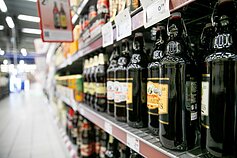
As in previous years, beer accounted for the largest share of retail and hospitality sales, at 186 million litres, though sales fell by 3.2% year-on-year. Sales of spirits also dropped, down 0.9% compared with 2024, while sales of fermented drinks and alcoholic cocktails rose.
According to the country's Hygiene Institute, 27,000 people were diagnosed in 2025 with at least one condition directly linked to alcohol use – 2.3% fewer than in 2024. The most commonly recorded diagnoses were alcohol dependence, alcohol toxicity and alcohol-related liver disease.

A difficult year for brewers
According to Lithuania's licensing register, 18 companies hold beer production licences in the country, while 43 hold licences to produce beer and mixed beer/non-alcoholic drinks.
Dainius Smailys, corporate affairs director at Švyturys-Utenos Alus – the country's highest-turnover brewer – said Lithuania was seeing the same trends as many other global markets: gradually falling alcohol consumption, alongside growing consumer interest in non-alcoholic and functional drinks.
"This is a consistent, long-term structural shift in consumption patterns that is affecting the entire drinks industry. In response, Carlsberg Group, which owns Švyturys-Utenos Alus in Lithuania, is also carrying out a strategic transformation of its portfolio – moving from a traditional brewer to a much broader drinks company.
Non-alcoholic and low-alcohol drinks already make up a significant share of the group's sales – last year they accounted for 31% of all Carlsberg Group's drinks sales," he said.
Smailys said the company's long-term growth prospects in the non-alcoholic and soft drinks segment had been strengthened by a deal signed this year to distribute PepsiCo products from 2029.
"This partnership will further strengthen our position in the wider drinks market and add some of the world's best-known brands to our portfolio. But the company isn't just changing through partnerships – it's also reorienting its operations towards innovation and production in soft drinks. Given market trends, we're currently placing a great deal of focus on these areas," he said.
Švyturys-Utenos Alus operates two breweries, in Klaipėda and Utena. In 2025 the company recorded revenue of €103.3m and net profit of €1.4m.
Meanwhile it's rival's, Kalnapilis-Tauras Group's revenue reached €83.8m last year, with net profit of €5.5m.
Marijus Valdas Kirstukas, chief executive of the group, said 2025 had been a difficult year for the drinks market as a whole.
"The decline in consumption was seen not just in alcoholic categories but in non-alcoholic ones too. Unfavourable weather during the summer season, traditionally one of the most important periods for light alcoholic and non-alcoholic drinks, had a significant impact on market dynamics.
Even so, Kalnapilis-Tauras Group maintained a strong market position and grew its market share across key drinks categories – beer, juice, cider, energy drinks and others. Our results were helped by a consistently implemented long-term strategy of expanding into different drinks categories, along with innovation and earlier investment in improving production and distribution efficiency and optimising resource use," he said.
Kirstukas added that the company had also successfully expanded its portfolio last year with the launch of a functional water range.
"In terms of alcohol consumption trends, we're seeing changing consumer habits. People are increasingly choosing higher-value, premium products, while non-alcoholic alternatives are also growing in popularity.
Younger consumers are opting for a wider range of drinks and more often look for different occasions to enjoy them. We see these changes as a natural evolution of the market, so we're consistently developing our portfolio across categories – both alcoholic and non-alcoholic.
Rise of 'better-for-you' drinks
Data from the market research firm NielsenIQ shows strong growth across a range of alternative drinks categories.
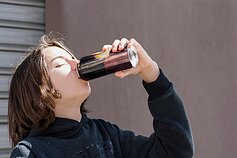
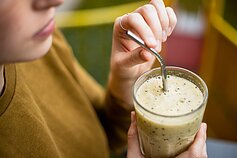
The energy drinks segment grew by around 10% last year, a trend that has held for nearly a decade. Other categories are expanding even faster: the vitamin-enriched drinks market grew by 54% last year, kombucha by 33%, and smoothies by 18%. New niches are also emerging, such as caffeinated water.

According to research by the agency Supercrush, when choosing drinks, consumers most often look for an energy boost (65%), improved digestion (61%), hydration (57%), immune support (53%) and cognitive benefits (45%). Relaxation, sleep quality and weight management are also becoming more important factors.
Attitudes to sugar are shifting too, a trend reinforced by regulatory changes such as Lithuania's new sugar tax, introduced this year.
A broader trend
Marius Horbačauskas, chief executive of Volfas Engelman, said the company was currently focused on making its production and logistics processes more efficient and modern.
"One of our most important projects is a new high-bay warehouse being built in Kaunas, which should open early next year. This will allow us to manage our growing product portfolio more efficiently, respond faster to market demand, and ensure even smoother supply," he said.
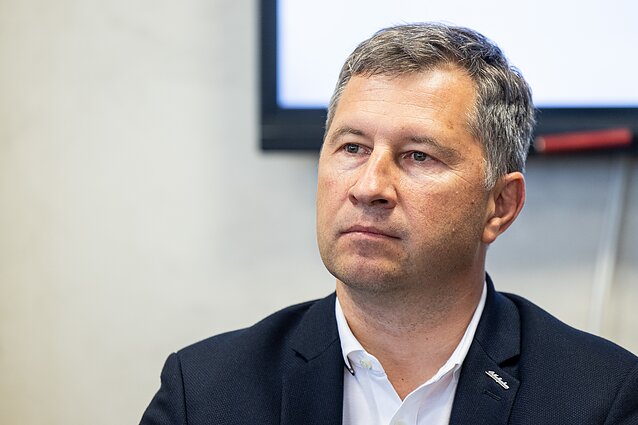
He said the decline in alcohol consumption was not a surprise for the company.
"It's a broader trend we've been seeing for some time. People are paying more attention to their health and wellbeing, and choosing lighter, functional or non-alcoholic alternatives. This is particularly clear among younger consumers.
"For us, this isn't a threat but a direction, and we're steadily adapting to it. Volfas Engelman is today one of the leaders in the non-alcoholic drinks market, and non-alcoholic products already make up around 27% of everything we sell. Our goal is for that share to reach 50% in the future," Horbačauskas said.
Volfas Engelman had an average of 273 employees in 2025. The company currently holds around 30% of the Lithuanian beer market.
Its two main rivals, Švyturys-Utenos Alus and Kalnapilis-Tauras Group, saw revenue fall by 8.5% and 4.7% respectively last year.
Notably, none of Lithuania's three largest brewers is currently under Lithuanian ownership: Švyturys-Utenos Alus belongs to Sweden's Carlsberg Sverige Aktiebolag, Kalnapilis-Tauras Group to Denmark's Royal Unibrew A/S, and Volfas Engelman to Finland's Olvi Plc.
Spirits producers turn to exports
According to the licensing register, 18 companies in Lithuania produce alcoholic drinks up to 22% strength, and a further 18 produce drinks with no such limit. The largest include MV Group Production, Vilniaus Degtinė, Kauen Craft and Boslita ir Ko.
MV Group Production's turnover reached €97.1m last year, down almost 1% year-on-year, with net profit of €14.4m.
Čiburys said last year had been intense and challenging for the company.
"Lithuania's alcoholic drinks market has seen falling consumption for several years now, and last year that affected all the main drinks categories. Market conditions were shaped by rising excise duties, price pressure and higher production costs, which also affected the dynamics of our sales in the Lithuanian market.
Despite that, MV Group Production's revenue remained stable in 2025 and was similar to 2024 levels. The biggest factor behind that was export growth. We currently export to around 50 countries, and in 2025 we entered six new markets – Portugal, New Zealand, Australia, Albania, Switzerland and Iceland. We grew sales in Europe as well as in the Americas, the Middle East, Africa and other markets," he said.
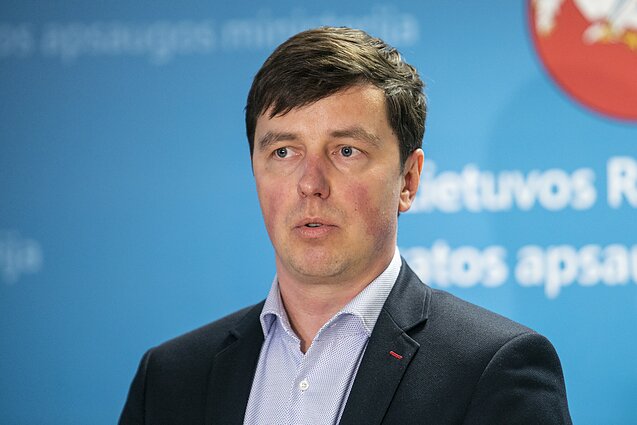
In 2026, MV Group Production plans to continue focusing on export growth, developing new partners and markets, and strengthening its existing position.
"In recent years we've also seen a clear shift in consumer behaviour – more and more people are looking for alternatives that let them enjoy familiar flavours while better fitting a healthier, more responsible lifestyle.
This trend has had a direct impact on our company: between 2021 and 2025, sales of our non-alcoholic drinks more than tripled. We're currently seeing the strongest demand in this category for non-alcoholic cocktails, beer, and sparkling and still wines," Čiburys added.

Newsletter
Every Friday morning.